Cold showers used to be the most dreaded routine of winter mornings, until it wasn’t. Today, cold showers are considered the most sacred part of the post-workout recovery ritual. Be it a social media influencer or an elite athlete, everyone seems to be spreading the word about the benefits of turning the tap to cold.
But are cold showers actually a health hack or just another internet trend?
Why Are Cold Showers So Popular?
While the fitness trends shift from grind to recovery, people are leaning more towards hacks that help them rejuvenate. Athletes have been using cold water therapy after intense workouts, and for all the good reasons. It wasn’t until social media picked up this routine and turned it into a full-blown trend with honest benefits.
To Know More:- Beginner-Friendly Fitness Routines For Healthy Weight Management
What Are the Benefits of Cold Showers?
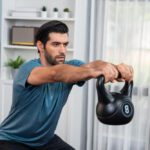
Physical exercise can be a bit demanding for the body. Muscles get damaged, stress hormones take over, and the body is exhausted. A quick cold shower is enough to accelerate physical and mental recovery.
Here are the noted upsides of post-workout cold showers:
- Improved circulation: The cold temperature constricts blood vessels to reduce post-workout muscle inflammation, soreness, and swelling.
- Reduces soreness & swellings: Just as ice packs work on an injury, cold showers limit inflammation for speedy recovery.
- Mood stimulator: The sudden temperature shock triggers a rush of endorphins, boosting alertness, energy, and mental sharpness.
What Cold Showers Can’t Do
Yes, cold showers have practical benefits, but it’s always a good idea to steer clear of common misconceptions people often ignore.
- They are not a magic formula for weight loss
- It does not help with full-body detox
- It’s not an easy replacement for regular exercise
- They are not for everyone.
To know more:- The Science Behind Smarter Portion Control
After Thought
At the end of the day, listening to your body is more important than blindly hopping on internet bandwagons. Cold showers might be worth trying if you’re curious, but they’re just one small piece of a much bigger wellness picture. Prioritizing good sleep, regular movement, balanced nutrition, and recovery will always have a greater impact than any single trend.
Tools like WHOOP, which help users monitor factors like sleep, recovery, and strain, can also provide a clearer picture of what actually works for your body, making it easier to build habits based on data rather than hype.