Self-care used to look very different. It was usually associated with occasional spa appointments, luxury skincare splurges, or the idea of treating yourself once in a while. Today, however, self-care has become far more practical and much more connected to everyday wellbeing.
People are no longer only chasing relaxation, they’re also looking for routines, tools, and habits that actually help them feel better physically and mentally in the long run. That shift has given rise to what many now call smart wellness. And honestly, it makes sense!
To Know More:- Can Wellness Apps Actually Improve Your Mental Health?
Wellness That Fits Real Life
Modern lifestyles are busy, screen-heavy, and often exhausting. Most people do not have hours to dedicate to complicated wellness routines every day. Instead, they want solutions that fit naturally into their schedules. That’s why habits like sleep tracking, guided meditation apps, recovery tools, wearable health devices, and at-home skincare technology have become so popular. Wellness is no longer just about indulgence, it’s about consistency and convenience. People want self-care that works while they continue living real life.
Beauty Tech Became Part of the Conversation
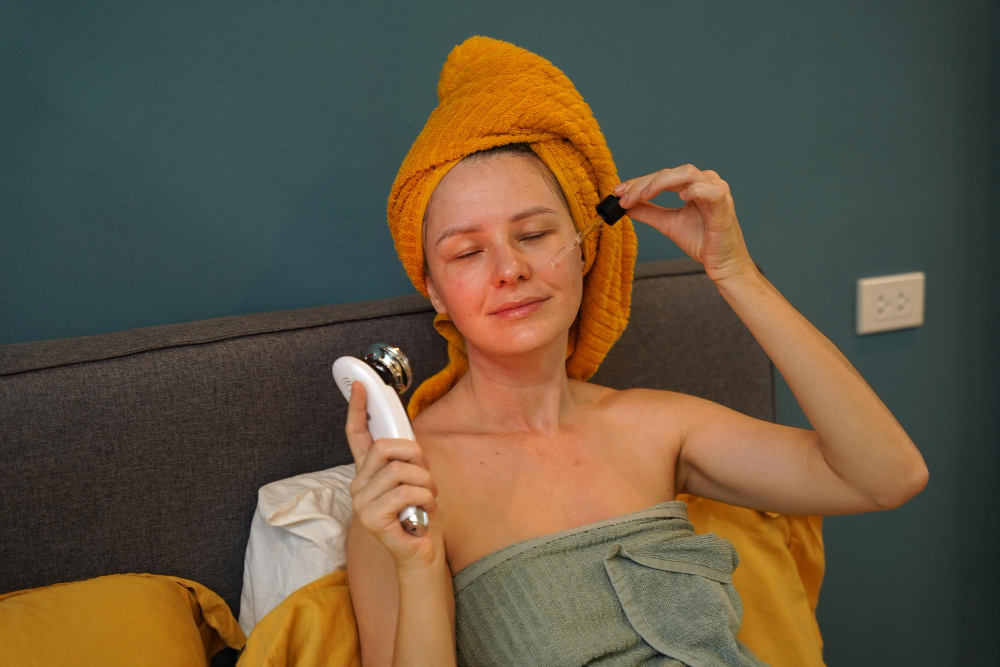
One of the biggest changes in modern self-care is the rise of beauty technology. At-home skincare devices are becoming increasingly common as consumers look for professional-style treatments without constantly visiting clinics or spas.
LED masks, facial sculpting tools, radiofrequency devices, and smart cleansing systems have turned skincare into a more personalised experience. Brands like AMIRO have helped push this shift by creating beauty-tech products focused on making at-home skincare more accessible and effective through technology-driven tools.
The appeal is simple: people enjoy having skincare routines that feel efficient, modern, and easy to maintain.

Self-Care Is Becoming More Preventive
Another reason smart wellness is growing is because people are thinking more about long-term health instead of quick fixes. Instead of only focusing on appearance, today’s wellness culture revolves around sleep quality, stress management, recovery, energy levels, and healthy ageing.
Small daily habits are becoming more important than occasional luxury experiences. That could mean taking evening walks, using wellness apps to reduce screen time, improving sleep routines, or spending a few extra minutes on skincare before bed. The focus has shifted from escape to sustainability.
Technology Is Changing Wellness Habits
Technology has also made wellness more measurable. Smart rings, fitness trackers, hydration reminders, meditation platforms, and skincare devices all give people a sense of control over their routines.
To Know More:- The Real Reason Most Weight Loss Plans Fail After 30 Days
The Future of Self-Care Looks Different
The modern version of self-care is less about perfection and more about support. It’s about finding small, realistic ways to feel healthier, calmer, and more energised every day. And while spa days still have their place, the future of wellness is increasingly happening at home, through routines and technology that fit into everyday life.