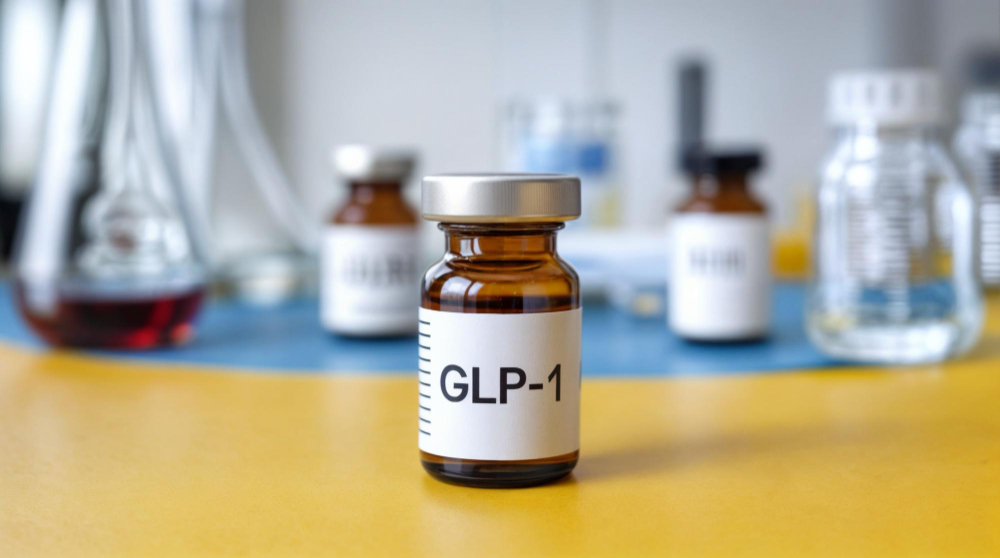
A few years ago, GLP-1 receptor agonists were a relatively niche class of medication used primarily for type 2 diabetes. Then came semaglutide, sold under names like Ozempic and Wegovy, and almost overnight, the conversation around weight, appetite, and body composition shifted at a global scale.
To Know More:- What Your Scalp Routine Says About Your Overall Hair Health
The fitness and nutrition industries are now grappling with a genuinely new reality. And it raises some important questions.
What GLP-1 Drugs Actually Do
GLP-1 (glucagon-like peptide-1) receptor agonists work by mimicking a hormone the gut naturally releases after eating. They slow gastric emptying, signal fullness to the brain, and reduce appetite significantly. For many users, food noise, the persistent mental chatter around hunger and cravings, quietens considerably.
The weight loss results have been striking enough to land these drugs on the covers of major publications worldwide and in conversations well beyond the medical community. But weight loss is only part of the story.
How Fitness Is Being Affected?
Here is where it gets complicated. Rapid weight loss, particularly when driven by a dramatic reduction in calorie intake often comes with muscle loss. Several studies have flagged that a meaningful proportion of weight lost on GLP-1 medications can come from lean muscle mass, not just fat.
For the fitness industry, this is significant. Personal trainers, gym owners, and sports nutritionists are increasingly working with clients who are on these medications and need guidance on preserving muscle, maintaining strength, and staying active. Resistance training and adequate protein intake are being discussed more urgently than ever in this context.
There is also a broader cultural shift. If appetite suppression becomes medically accessible for a large portion of the population, the traditional motivational framework of fitness built heavily around weight and aesthetic goals may need to evolve.
What It Means For Nutrition?
GLP-1 users often eat significantly less. That sounds straightforward, but the nutritional implications are real. Eating less while still meeting protein, fibre, micronutrient, and caloric needs requires more intentional food choices, not fewer. Poor dietary quality on a reduced appetite can lead to deficiencies that compound over time.
Nutrition professionals are adapting. The focus is shifting toward nutrient density getting the most from smaller portions, rather than volume-based eating advice. Foods high in protein and micronutrients per calorie are becoming more relevant, and supplement guidance is being reconsidered for this population.
The Bigger Shift Nobody Is Saying Out Loud
GLP-1 medications challenge a deeply held belief in fitness culture: that body change is primarily a matter of discipline and effort. When a drug can significantly alter appetite and drive rapid physical change, it forces an honest reckoning with how much of weight management was always biological and not just behavioural.
To Know More:- How Peptide Technology Is Transforming Anti-Aging
That is not a comfortable conversation but a necessary one.
GLP-1 medications are prescription-only in most countries. Always consult a qualified healthcare professional before starting or stopping any medication.